

 Các chuyên mục


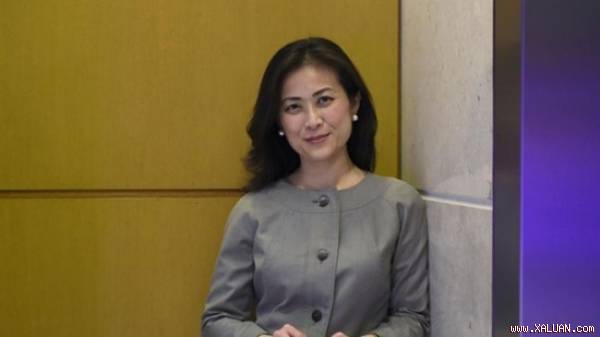
Trong chuyến công du của Tổng thống Mỹ Barack Obama tới Malaysia, luôn có một người phụ nữ âm thầm bên cạnh tham vấn cho ông trong nhiều vấn đề. Người phụ nữ này có tên Elizabeth Phu, 39 tuổi và là người gốc Việt. Hiện tại bà đang đảm đương chức vụ Giám đốc phụ trách vụ Đông Nam Á và châu Đại Dương.
Theo Los Angeles Times, bà Phu lớn lên tại Oakland và tốt nghiệp Đại học California ở San Diego. Trong thời gian làm việc tại chính phủ, bà có 5 năm phụ trách các vấn đề quốc phòng trên nhiều vị trí như cố vấn chính sách cho NATO, giám đốc phụ trách vụ Đông Nam Á và cố vấn các chính sách không phổ biến.
Ngoài ra bà còn từng là thành viên thuộc Hội đồng An ninh Quốc gia của Nhà Trắng. Điều này giải thích vì sao ông Obama luôn tham vấn bà Phu trong các chính sách tại khu vực mà ông xem là quan trọng trong công tác thương mại và liên minh chiến lược.
Dự kiến, ngày 27/11, Tổng thống Obama sẽ có chuyến thăm một trường học cho trẻ em nhập cư nhằm kêu gọi thế giới mở rộng vòng tay giúp đỡ những người nhập cư. Tuy nhiên, tại Mỹ vào thời điểm này, những cuộc tranh luận không ngừng nổ ra về việc có nên ngừng tiếp nhận người nhập cư hay không, đặc biệt trong bối cảnh thủ đô Paris của nước Pháp vừa phải hứng chịu các vụ tấn công khủng bố liên hoàn. Một số chuyên gia còn nhận định rằng chủ đề người nhập cư sẽ góp một phần quan trọng trong cuộc chạy đua vào Nhà Trắng năm 2016.
Là một người từng chứng kiến và trải nghiệm những vấn đề này trong khu vực, bà Phu chia sẻ: "Thật khó để nghĩ tới việc nước Mỹ sẽ không còn tiếp nhận người nhập cư. Mỹ là một quốc gia luôn mở rộng vòng tay chào đón mọi người bất cứ khi nào họ cần, những người có mong muốn lao động và cải thiện cuộc sống gia đình.
"Chúng tôi cần những đối tác như Malaysia để luôn giúp đỡ những người khao khát có một cuộc sống tốt đẹp hơn. Tôi cũng lấy làm tự hào với những gì Mỹ đang làm đối với người nhập cư", cố vấn của tổng thống Mỹ nói.
Trong những năm làm việc tại Nhà Trắng, bà Phu đã giúp ông Obama lập nên những quy tắc áp dụng với khu vực Đông Nam Á. Từ Kuala Lumpur, bà Phu không ngừng truyền tải đi ước mơ mang đến hy vọng cho những số phận kém may mắn.
"Đây là ngôi nhà của lòng nhân ái, là mái ấm đối với nhiều người tại một trong những quốc gia có nền kinh tế phát triển nhanh nhất thế giới. Và đây cũng sẽ là định hướng trong chính sách đối ngoại của tôi", bà chia sẻ.
36 năm về trước một người cha trẻ tuổi người Việt Nam tên là Frank Phú, để cứu người vợ trẻ và đứa con gái mới biết đi của mình, ông đã xin thu thập gom góp vòng vàng của những người tị nạn đi cùng thuyền cho vào một cái túi nhỏ, kẹp giữa hai hàm răng và bơi đến tàu của cướp biển để thực hiện thỏa thuận nhờ kéo thuyền đến gần đảo Pulau Penang của Malaysia, và cuối cùng chiếc thuyền đến được một trại tị nạn tại Malaysia.
Đứa con gái mới biết đi ngày nào của ông Frank Phu, một cô gái tị nạn Việt Nam được gọi một cách sơ sài "thuyền nhân" trên đất Hoa Kỳ, Elizabeth Phú nay đã là một công dân Mỹ và là một người trong nhóm cố vấn Nhà Trắng tháp tùng.
22-11-2015
Sáng nay đọc thấy một bản tin hay, và nhân dịp này, tôi muốn chia sẻ vài cảm nghĩ cá nhân về tình cảnh của người tị nạn. Ít ai biết rằng trong đoàn tuỳ tùng của Tổng thống Obama trong cuộc họp thượng đỉnh tại Mã Lai có một người là cựu “thuyền nhân” Việt Nam: Elizabeth Phú. Câu chuyện của Elizabeth (1) làm cho chúng ta phải suy nghĩ đến thái độ xua đuổi người tị nạn Bắc Hàn của chính quyền Việt Nam, mà theo tôi, là một thể hiện của sự hẹp hòi và có phần vô nhân đạo.
Câu chuyện Elizabeth Phú
Ba năm sau ngày “giải phóng”, Elizabeth cùng ba má cô vượt biên và đến Mã Lai. Trước 1975, ba cô từng làm việc cho sở Mĩ và sau đó bị đi tù cải tạo một thời gian. Ra tù cải tạo, gia đình lâm vào tình cảnh bế tắc, thế là gia đình quyết định vượt biên. Trong một chuyến hải hành đầy gian nan trên một chiếc thuyền với 253 người, nhưng cuối cùng thì cũng đến trại tị nạn Mã Lai. Lúc đó, Elizabeth kể, cô chỉ mới biết đi chập chững nhưng cũng có nhiều kỉ niệm trong trại tị nạn. Nhưng cô nói rằng cô rất cám ơn chính phủ Mã Lai đã cưu mang người tị nạn trong thời gian khó khăn nhất.
Đến Mĩ, cả gia đình làm lại cuộc đời và thành công. Ba cô làm cho một công ti tài chính, mẹ thì làm y tá và nuôi con. Còn Elizabeth thì sau này theo học ở UC Berkeley về khoa học chính trị, rồi tiếp tục theo học Masters về ngành quốc tế học tại UC San Diego, và Trường Eisenhower thuộc National Defense University. Sau khi ra trường, Elizabeth làm việc cho Hội đồng An ninh Quốc gia (National Security Council hay NSC), và từng trải qua chức vụ Giám đốc về Đông Nam Á vụ, Giám đốc về Đe doạ Toàn cầu, và từ 2013 làm Giám đốc về Đông Nam Á – Đại dương sự vụ (Southeast Asia and Oceania Affairs). Do đó, có thể nói rằng trong chuyến tháp tùng Tổng thống Obama về Mã Lai dự hội nghị, Elizabeth như là một cõi đi về, nhưng đi về với tư cách — nói theo tiếng Anh là — triumphant.
Thật ra, ông Obama cũng là người xuất phát từ Đông Nam Á. Có lẽ nhiều người biết rằng má ông Obama (tên là Ann Dunham) sau khi li dị người chồng cũ người Kenya, bà thành hôn với một cựu du học sinh người Nam Dương tên là Lolo Soetoro. Do đó, Obama theo má về sống ở Nam Dương từ năm 6 đến 10 tuổi, trước khi được gửi về Mĩ theo học trung học và đại học. Ông Obama vẫn có thể nói vài chữ Nam Dương! Thành ra, có thể nói rằng trong chuyến đi này, cả hai người — Obama và Elizabeth Phú — như là một chuyến đi về nguồn.
Người tị nạn Bắc Hàn và chính quyền VN
Câu chuyện đời và nghiệp của Elizabeth Phú làm cho tôi suy nghĩ về thái độ của chính quyền Việt Nam đối với người tị nạn. Nói một cách ngắn gọn: Chính quyền Việt Nam đã rất vô nhân đạo và thô bạo với người tị nạn. Hai ngày trước, báo chí cho biết rằng có 9 người Bắc Hàn tìm cách vượt biên từ Tàu sang Việt Nam để xin tị nạn, thế nhưng họ bị phát hiện và công an Móng Cái đã trục xuất họ về Tàu (2). Bài báo trên VOA còn cho biết rằng trước đây, một nhà ngoại giao Bắc Hàn ở VN tìm cách xin tị nạn, nhưng mất tin. Rất có thể VN đã bắt và trao trả nhà ngoại giao này cho Bắc Hàn theo yêu cầu của Bắc Hàn. Xa hơn nữa, chính quyền VN cũng bắt và trả người tị nạn Duy Ngô Nhĩ về Tàu, làm cho họ nổi giận và gây thương tích cho phía VN (3). Những sự iện trên là chứng từ để nói rằng chính quyền VN là rất vô nhân đạo, chẳng tỏ ra có nghĩa vụ gì với quốc tế cả.
Thật vậy, Bảng xếp hạng gọi là “Good Country Index” (GCI) cho thấy VN đội sổ trong số các nước tử tế trên thế giới. Bảng xếp hạng này cho thấy VN đứng hạng 103 (trong số 124 nước) về đóng góp cho hoà bình và an ninh thế giới. Còn về đóng góp vào các quĩ từ thiện và cung cấp nơi nương tựa cho người tị nạn thì VN đứng hạng 123, tức áp chót (4)! Tính chung, thứ hạng về tử tế của Việt Nam trên thế giới đứng hạng áp chót (124/125). Điều đáng nói hay cũng có thể xem là nhục là thứ hạng tử tế của VN chỉ đứng chung bảng với mấy nước “đầu trâu mặt ngựa” như Lybia, Iraq, Zimbabwe, Yemen!
Thật ra, chính quyền VN xưa kia cũng chẳng tốt lành gì với chính công dân Việt tị nạn. Sau 1975, khi làn sóng người Việt tìm đường tị nạn, thì chính quyền tìm cách ngăn chận, thậm chí bắn bỏ. Đã có biết bao trường hợp người tị nạn ở miền Tây bị công an và bộ đội bắn chết trên đường vượt biển, dù trước đó những người này đã nộp tiền và vàng cho chính quyền. Đã có nhiều quan chức làm giàu từ các thương vụ người tị nạn. Chuyện đã xưa, nhưng tưởng cần nhắc lại rằng hành động của chính quyền VN thậm chí làm cho ông Lý Quang Diệu còn thốt lên rằng đó là chính quyền “bỉ ổi” với chính công dân mình (5).
Tôi cũng là một cựu “thuyền nhân”. Và, không như có người cố tình che đậy cái gốc tị nạn của mình, tôi thì chẳng dấu giếm gì điều đó, ngay cả trong trang web cá nhân tôi của Trường UNSW tôi vào đề là nói ngay mình là “refugee” (6) như là một phát biểu lập trường với chính quyền Úc. Do đó, như là mặc định, tôi chống lại việc xua đuổi người tị nạn của Việt Nam hay bất cứ nước nào (kể cả Úc). Những người tị nạn đó, những người mà ông Phạm Văn Đồng từng nói là “ma cô đĩ điếm” đó, đang là những Elizabeth Phú, tướng Lương Xuân Việt, Đại tá Lê Bá Hùng, Giáo sư Trương Nguyện Thành (và hàng trăm giáo sư khác). Những người Bắc Hàn tìm đường sang Việt Nam có thể một ngày nào đó là Elizabeth Phú của Mĩ hiện nay.
Tại sao chính quyền VN không mở rộng vòng tay đón họ và cho họ cơ hội làm lại cuộc đời? Tại sao Mã Lai, Thái Lan, Nam Dương, Singapore, Hồng Kông đã từng đón người tị nạn, mà Việt Nam thì không? Nếu không muốn chứa họ thì tạo điều kiện tạm thời (như các nước Đông Nam Á đã làm) để họ đi tị nạn ở Hàn Quốc, chứ sao lại trả về cho cái chính quyền tàn ác là Tàu cộng? Tôi thực tình không hiểu nổi hành động của chính quyền VN đối với người tị nạn. Ở mức độ cá nhân, sống phải tử tế với nhau; ở mức độ quốc gia, nếu muốn là một thành viên có trách nhiệm của cộng đồng quốc tế, VN cũng phải tỏ ra là một nước văn minh và nhân đạo chứ. Do đó, hành động của chính quyền VN đối với người tị nạn Bắc Hàn chỉ có thể nói là vô nhân đạo. Hi vọng rằng câu chuyện và sự trở về của Elizabeth Phú (7) là một bài học nhãn tiền để chính quyền VN suy nghĩ lại hành động của họ đối với người tị nạn Bắc Hàn.
___
(1) Obama aide tells of her own childhood flight from government detention camp (LA Times).
(2) Công an Việt Nam giao người Bắc Hàn cho Trung Quốc? (VOA).
(3) ‘VN quá vội vàng khi trao trả nghi phạm’ (BBC).
(4) www.goodcountry.org
(5) Thư Lý Quang Diệu gửi Margaret Thatcher về vấn đề thuyền nhân Việt Nam (Trẻ).
(6) Professor Tuan Van Nguyen (UNSW).
(7) (1) Obama aide tells of her own childhood flight from government detention camp (LA Times).
________
Eliabeth Phu
Security Council, the White House
Background
| Current | |
|---|---|
| Previous | |
| Education |
Summary
National security professional with 15 years at the White House and in the Office of the Secretary of Defense advising and briefing Presidents and senior officials in the George W. Bush and Barack Obama Administrations. Developed and negotiated international agreements that generated lasting national security impacts. Demonstrated ability to solve complex problems, operate in crisis situations, and execute major programs. Expertise in Southeast Asia economic, security, and defense policy; developing budgets and strategies; negotiating with foreign governments; and performing country risk assessments.
Eperience
National Security Council
- Coordinate development and implementation of U.S. Government policy toward countries of Southeast Asia and Oceania (six involved in the Trans-Pacific Partnership), including assessing impact of political, economic, and security developments in those countries on U.S. foreign policy
- Negotiate political, defense, and economic agreements and deliverables for meetings between the President and the National Security Advisory with over a dozen world leaders, including the historic visit of Vietnam’s General Secretary of the Communist Party
- Direct the development of the President’s budget guidance for the Asia-Pacific region, working with the Office of Management in Budget and over a dozen Federal departments and agencies
- Spearhead the creation of programs, including a $150 million Maritime Security Capacity Building initiative to give equipment and training to Vietnam, the Philippines, Malaysia, and Indonesia
- Lead negotiations to develop new cooperative activities, including on cyber-security, defense technology, and defense operations announced by the President and leaders of Japan and Australia

Director, Global Threats
Office of the Secretary of Defense
- Built and managed a high-performing team of career civilians, military officers, and contractors who developed Department of Defense policies to implement Kingpin designations for U.S. sanctions regimes and to combat illicit/terrorism finance, transnational organized crime, and maritime piracy
- Developed and oversaw a $25 million budget, including assessing program effectiveness, instituting programmatic changes to improve allocation of funds, and eliminating under-performing programs
- Allocated funding to six Combatant Commands and designed new cooperative initiatives and funding agreements between the Department of Defense and Federal law enforcement agencies (the Departments of Justice and Homeland Security, the Federal Bureau of Investigation, and the Drug Enforcement Administration) to respond to terrorism, organized crime, and illicit/terrorism financing
Student
Industrial College of the Armed Forces
Now known as the Dwight D. Eisenhower School for National Security and Resource Strategy, executive training for senior military and civilian officials in strategy and resource management.
Industrial College of the Armed Forces Commandant Award for Excellence in Research (Paper entitled “The Change Imperative: Preparing the OSD/Policy Workforce for the Future”, 2010)
Director for Southeast Asian Affairs
National Security Council
- Crafted policies for United States relations with the countries of Southeast Asia, the Association of Southeast Asian Nations (ASEAN), and the ASEAN Regional Forum
- Coordinated U.S. Government response (diplomatic, development, military, and economic) to the Saffron Revolution (2007) and Cyclone Nargis (2008) in Burma
- Oversaw the development of 2007 Executive Order, working with Treasury Department’s Office of Foreign Assets Control, to expand economic sanctions against Burmese government and politically important individuals and entities, setting conditions for historic changes in Burma four years later
- Conducted strategy and policy analysis; liaised with foreign governments, non-governmental organizations, Congress, and think tanks; and developed communications strategy

Assistant for Nonproliferation Policy
Department of Defense
- Developed strategy for advancing international participation in the President’s Proliferation Security Initiative (PSI)
- Acted as the lead U.S. Government point of contact with foreign governments for the PSI Operational Experts Group
- Drafted negotiating positions for the Trilateral Working Group with Australia and Japan on the implementation of United Nations Security Council Resolution 1718 on North Korea
- Developed exercise scenarios to advance PSI activities
Director for Southeast Asian Affairs
Department of Defense
- Developed concept for and negotiated the U.S.-Singapore Strategic Framework Agreement, which expanded U.S. military access to facilities in Singapore
- Developed strategy for the Philippine Defense Reform Program to institutionalize reform in the Filipino Armed Forces in areas of strategy, budget, intelligence, acquisition, and personnel
- Developed strategy for missile defense collaboration with Australia, resulting in the 2004 U.S. Australia Ballistic Missile Defense Framework Memorandum of Understanding
- Served on Defense Department’s task force in response to the 2004 South and Southeast Asia tsunami, coordinating U.S. and international assistance and developing strategy for post-tsunami disaster preparedness
Assistant for NATO Policy
Department of Defense
- Managed the NATO-Russia Council and the NATO-Ukraine Commission, dynamic and developing relationships that required extensive interagency coordination and negotiations.
The pirates had a price: 10 wedding bands, in exchange for pulling the broken-down boat of Vietnamese refugees to the Malaysian shore.
A young father named Frank Phu saw no other way to save his wife and toddler daughter, so he collected the rings into a tiny sack, clamped it between his teeth and swam to the pirates' ship to make the deal. Tugged by the pirates, the passengers made it near the Malaysian island of Pulau Penang, and eventually to a nearby refugee camp run by the government.
Over 36 years after arriving as a “boat person,” as the refugees were crudely called, the young girl, Elizabeth Phu, has come back to this southeast Asian nation -- this time as an American citizen and advisor to President Obama, part of the White House team accompanying him on his 10-day, three-country tour of world-leader summits.
Obama will visit a refugee school Saturday to highlight the plight of migrants in Asia as he makes a case that the world should open its arms to refugees fleeing troubled and war-torn homes, from Syria to Myanmar to Bangladesh. And though the stop has been planned for months, it now unfolds amid an unforeseen debate back home about whether it is time to close the U.S. to refugees instead.
“It’s so hard for me to hear,” says Phu, 39, who grew up in Oakland and has pursued a long career as a civilian advisor at the Pentagon and the White House. “This isn’t how I see our country. We’re a country that welcomes people in their time of need, people who just want to work hard and make a better life for their families.”
Back home in California, her mother has retired after a career as a nurse and raising two daughters. Her father still works at the same financial firm that employed him shortly after his arrival.
In Kuala Lumpur, Phu is still working to fulfill the dreams they had for her when they left Saigon. on Friday, she sat with White House staff in the audience as the president recalled his own roots in Southeast Asia – he even spoke a little Indonesian -- and explained just how important it was for him to deepen America's engagement in the region, a task Phu is playing an important role in.
“It's home to so much of humanity, home to some of the world's fastest-growing economies. And that's a key focus of my foreign policy,” he said.
Phu was just a toddler in 1978 when her family first tried to flee the country out of fear of the communist government. Her father worked for the U.S. Army during the Vietnam War.
They were caught and sent to a brutal “re-education camp,” though Phu was barely old enough to walk. Re-education camps were harsh places of hunger and overwork where intellectuals, religious leaders and employees of the old government were sent to “learn” the new government's communist ways. Detainees were supposed to stay for a few weeks; Phu and her family were kept there for months.
Her grandparents managed to buy their freedom, and then sold everything they had to buy passage for Phu, by then close to 4, and her parents on a two-engine boat the size of a couple of hotel rooms. The pilot jammed 253 people into it before setting out, launching a journey that relatives have recounted to Phu many times over the years.
Soon, one of the boat’s engines died and the passengers floated aimlessly for three days, before the pirate boat pulled alongside and offered to pull the boat into Malaysian waters -- but only in exchange for the wedding bands.
Phu’s father collected the jewelry and swam to make the deal.
A heavy fog descended as they tried to pull into the island, only to run into a second set of pirates who ransacked the boat and smashed the water tanks. A woman on the Vietnamese boat died of a heart attack during the assault.
Adrift again for four days, the passengers finally attracted the attention of Malaysian authorities who pulled them to shore and took them to a refugee camp on nearby Pulau Bidong.
Phu’s first memories are of that camp. She recalls the town center where she played, and getting to tell nursery rhymes over the loudspeaker.
There was little food, and her parents sold their belongings to feed her. Her uncles hiked miles to get firewood.
“They let us stay there,” she said. “For that, I’m grateful.”
On Saturday, Phu will visit a new generation of children given refuge by the Malaysian government, alongside the president of the country to which she belongs.
“It’s deeply meaningful and personal,” said Phu. “We need partners like Malaysia who are there to help people desperate to make a better life ... and I’m proud of how much the United States does for refugees.”
In her years at the White House, Phu has helped Obama to shape policy on southeast Asia, a region crucial to the president’s view of the world in terms of trade and strategic alliances.
But while the president has been overseas trying to shore up U.S. partnerships in Asia to counter the rise of China and meeting with close U.S. allies in Turkey to strategize the fight against Islamic State, House lawmakers passed a bill that would block Syrian refugees from the U.S.
The legislation was a culmination of the fierce debate in the wake of last week’s Paris attacks over whether to allow refugees into the country, and the rhetoric has been distressing to the Obama team as it plans Saturday’s message, about welcoming strangers, not shunning them.
“Part of who we are as Americans is our openness to immigrants and to refugees who are fleeing from conflict or oppression,” said Benjamin Rhodes, Obama’s deputy national security advisor. “We can’t close our doors to those in need, and we need to support countries who are hosting refugees, like Malaysia, Jordan and Turkey.”
It’s not just a message of charity, said Rhodes, but one of self-interest.
“Refugees from Southeast Asia have become successful in the U.S. and contributed a great deal,” he said. “It has been to our benefit.”
Phu’s story is the kind the administration points to for evidence. She graduated from Miramonte High School outside Oakland and attended college at UC Berkeley and graduate school at UC San Diego.
For the last three years, she has been detailed to the National Security Council staff at the White House, serving now as director for Southeast Asia and Oceania affairs.
The story of her family’s escape from Vietnam she tells easily. Describing her current stature causes her voice to crack.
“A refugee from a communist country can come here and grow up in the U.S. and have the privilege of working in the White House,” she said. “It makes me so proud to be an American.”
Memoli reported from Kuala Lumpur and Parsons from Washington.


