So as I have promised, I will introduce you to someone who is very inspirational today.  This is Joe Ruelle, a Canadian who has been living in Vietnam for more than 10 years. (I say more than 10 because I really don’t know when he came to Vietnam, it was a really long time ago). This is Joe Ruelle, a Canadian who has been living in Vietnam for more than 10 years. (I say more than 10 because I really don’t know when he came to Vietnam, it was a really long time ago).
So here in Vietnam, we have a very weird thing going on that we really really likes foreigners. And when the foreigners can speak Vietnamese, they are loved. That is why a Canadian who can speak Vietnamese more fluently than the native speaker get so famous.With his sense of humor and excellent Vietnamese, he has appeared in many television shows and has published two books in the Vietnamese.  Joe and his second book Joe and his second book
Joe did not become fluent at Vietnamese just after one night though. He actually worked very hard to learn the language. From what I know, he actually attended a Vietnamese University to learn the language. With the help of many Vietnamese friends, he practiced speaking Vietnamese daily.  Joe talking to some of his new friends at a park Joe talking to some of his new friends at a park
But the real thing that makes him really good at Vietnamese was his blog, in which he writes everything the language and ask people to help him fix his grammar. At first, it was just one or two entries. I read a few of his very first notes. They are horrible but they are funny. We, Vietnamese, find it cute that a foreigner is learning our language. I also saw hundreds of comments on his blog, pointing out this grammar and spelling mistakes.
Time goes by, Joe gets better and better at Vietnamese, and to be honest, at some point, I felt like my Vietnamese is not even as good as his. Joe gets the nickname “Dâu Tây” which is strawberries. The reason was because his name sounds very similar with the word “Dâu,” which means strawberries. And because of his sweetness and great sense of humor, Joe is now known with that name. Here is his website:
http://joe.vn/
And his facebook page, he does not update much lately, but his posts are always amusing.
https://www.facebook.com/joeruelle Vietnamese Boat PeopleBetween 1975 and 1976, Canada admitted 5,608 Vietnamese immigrants. In 1979 and 1980, another 50,000 people from Vietnam, refugees who later became known as the "Boat People," settled in Canada. Unlike earlier groups of Vietnamese immigrants, the "Boat People" were internally diverse: they included a variety of social classes and both urban and rural dwellers. The majority did not speak English or French and had no relatives in Canada. They also arrived during a period of economic downturn in Canada. These factors led to a struggle to integrate in Canada and to achieve economic independence. They also settled in many places in Canada where there was previously no Vietnamese community. The largest groups are in Toronto and Montreal, with significant communities in Vancouver, Calgary and Edmonton. This collection chronicles the lives, struggles, and achievements of the "Boat People" and those who assisted them. It includes hundreds of hours of oral history interviews conducted by volunteers, community members, and professionals. The interviews cover the topics of migration from Vietnam to Canada, and life in both countries, including their adaptation to Canadian society and their links to Vietnamese traditions and religious practices. Approximately 30 per cent of the content is in English and 70 per cent is in Vietnamese. Vietnamese Community of Canada According to the 2011 census, Canada has 157,450 people who identify as ethnically Vietnamese.[7] The majority of Vietnamese Canadians reside in the provinces of Ontario and Quebec, with some having lived in Quebec before 1975. Vancouver is also another major destination for newly arrived Vietnamese immigrants since 1980, including Vietnamese of Chinese descent, with the city having a large Chinese population.
Mainstream Vietnamese communities began arriving in Canada in the mid-1970s and early 1980s as refugees or boat people following the end of the Vietnam War in 1975, though a couple thousand were already living in Quebec before then, most of whom were students. Most new arrivees were sponsored by groups of individuals, temples, and churches and settled in areas around Southern ontario, Vancouver, British Columbia, and Montreal, Quebec. Between 1975 to 1985, 110,000 settled in Canada (23,000 in ontario; 13,000 in Quebec; 8,000 in Alberta; 7,000 British Columbia; 5,000 in Manitoba; 3,000 in Saskatchewan; and 2,000 in the Maritime provinces). As time passed, most eventually settled in urban centres like Vancouver (2.2% Vietnamese), Calgary (1.6% Vietnamese), Montreal (1.6% Vietnamese),Edmonton (1.6% Vietnamese), Toronto (1.4% Vietnamese), Ottawa (1.0% Vietnamese), and Hamilton (0.8% Vietnamese).[3] The next wave of Vietnamese migration came in the late 1980s and 1990s as both refugees and immigrant classes of post-war Vietnam entered Canada. These groups settled in urban areas, in particular Toronto, Vancouver, Montreal, and Calgary. Vietnamese immigrants settled mainly in the East Vancouver and in Montreal's downtown and south shore. In Toronto they have settled in the city's chinatown area near Spadina Avenue and Dundas StreetWest or to the west in Mississauga. In Canada, local Vietnamese media is dominated by:
(http://www.vnthoibaoedmonton.com - Edmonton magazine Thoi Bao - Toronto newspaper Thoi Bao TV - Toronto Thoi Moi - Toronto newspaper Little Saigon Canada - Toronto newspaper Vietnamville - Montreal Phố Việt Montreal, printed newspaper of Vietnamville.ca Viethomes Magazine - Toronto Magazine Culture Magazin - Canadian magazine In Vancouver, Vietnamese Canadians managed to open a variety of stores and restaurants throughout the city, especially on the east side of the city near Chinatown and around Kingsway and Fraser. These areas are home to concentrations of Vietnamese clothing, food stores, and shops. Vietnamese Canadians also brought their cuisine and phở has become a popular food throughout the city. Vietnamese Canadians have also opened up many stores and restaurants in Central City, Surrey, which is a rapidly growing suburb of Metro Vancouver. In the Toronto area, there are 19 Vietnamese owned supermarkets. In Montreal there are about 40,000 Vietnamese Canadian population among highest median income and education of Vietnamese Canadians in major cities. There are more than 100 Vietnamese restaurants, hundreds of small size manufacturers of different products from clothing to technology, about 80 pharmacies and hundreds of doctors, dentists, over a thousand scientists, engineers and technicians, about sixty convenient stores and groceries. Since Nov 2006, Mr. Ngo Van Tan has started a daring project to promote and build the first Vietnam Town in Canada called Vietnamville near metro Jean Talon including St-Denis, Jean Talon, St-Hubert and Belanger streets with over 130 businesses already opened in the area. Investment opportunities in Vietnam Town are open to Vietnamese worldwide. Most feel a sense of belonging to CanadaThe Vietnamese Community in Canada A growing communityCanadians of Vietnamese ethnic origin1 make up one of the largest non-European ethnic origins in Canada. In 2001, the Vietnamese community was the 5th largest non-European ethnic group in Canada after Chinese, East Indian, Filipino, and Jamaican. That year, just over 150,000 people of Vietnamese origin lived in Canada, representing less than 1% of the total Canadian population. The Vietnamese community in Canada is growing faster than the overall population. Between 1996 and 2001, for example, the number of people who said they had Vietnamese origins rose by 11%, while the overall population grew by 4%. The large majority of people of Vietnamese origin reported they only have Vietnamese origins. In 2001, 79% of all those who reported Vietnamese origin said they had only Vietnamese origins, while 21% reported they had other ethnic origins. In contrast, almost 40% of the overall Canadian population has multiple ethnic origins. The majority are foreign-bornA substantial majority of the Vietnamese population living in Canada was born outside the country. In 2001, over 70% of Canadians of Vietnamese origin were born outside of Canada, compared to18% of the overall population. Among foreign-born Canadians of Vietnamese origin, 93% were born in Vietnam. The majority of immigrants of Vietnamese origin arrived in Canada during the past twenty years. In 2001, 44% of ethnic Vietnamese immigrants had arrived between 1981 and 1990, while another 31% came to Canada between 1991 and 2001. Most live in four provincesAlmost all Canadians of Vietnamese origin live in ontario, Quebec, British Columbia or Alberta. In fact, in 2001, 96% of all Canadians of Vietnamese origin lived in one of these four provinces. That year, ontario was home to 45%, while another 19% lived in Quebec, 18% in British Columbia and 14% in Alberta. In terms of actual numbers, there were about 67,000 people of Vietnamese origin living in ontario in 2001, while there were just over 28,000 in Quebec, 27,000 in British Columbia and 21,000 in Alberta. That year, however, Canadians of Vietnamese origin accounted for less than 1% of the total number of residents of all provinces and territories. Most live in large metropolitan areasThe majority of Canadians of Vietnamese origin live in one of Canada 's largest metropolitan areas. In 2001, 69% of the Vietnamese community lived in one of Toronto, Montreal, Vancouver or Calgary. Overall, 45,000 people of Vietnamese origin lived in Toronto, while 26,000 lived in Montreal, 23,000 in Vancouver and 12,000 resided in Calgary that year. Canadians of Vietnamese origin made up 1% of the total number of residents in each of Toronto, Calgary and Vancouver, whereas in other Canadian cities, they represented less than 1% of the total population. A young populationCanadians of Vietnamese origin are somewhat more likely than the overall population to be children or young adults their prime working years. At the same time, they are less likely to be either seniors or approaching retirement age. In 2001, children under the age of 15 represented 25% of the Vietnamese community, versus 19% of the overall population. At the same time, 16% of people of Vietnamese origin, versus 13% of those in the overall population, were aged 15 to 24. Similarly, 38% of the Vietnamese community was aged 25 to 44, compared with 31% of the total Canadian population. In contrast, seniors made up 5% of the Vietnamese community, compared to 12% of all Canadians, while 16% of the Vietnamese community, versus 24% of the overall population, were aged 45 to 64.
Slightly more women than menAs with the overall population, there are slightly more women with Vietnamese origins than men. In 2001, 50.6% of the Vietnamese community, compared with 50.9% of the overall population, were female. Like their counterparts in the overall population, women over the age of 65 make up a substantial majority of seniors of Vietnamese origin. In 2001, 59% of people aged 65 and over of Vietnamese origin were women. In the overall population, women made up 56% of seniors. Close to half are BuddhistAlmost half of Canadians of Vietnamese origin report that they are Buddhists. In 2001, 48% of people with Vietnamese origin said they were Buddhist, while 22% said they were Catholic and 5% said they belonged to either a mainline Protestant denomination or another Christian group. At the same time, a relatively large proportion of people of Vietnamese origin, 24%, said they had no religious affiliation, compared with 17% of the overall population. Most can converse in an official languageThe large majority of Canadians of Vietnamese origin can converse in one of Canada 's official languages.2 In 2001, 88% of Canadians of Vietnamese origin could carry on a conversation in at least one official language, while 12% could not speak English or French. Most, 68%, could converse in English only and another 6% could carry on a conversation in French only, while 14% could converse in both English and French. While most Canadians of Vietnamese origin can speak at least one official language, the large majority have a mother tongue3 other than English or French. In 2001, 81% of people who reported Vietnamese origin said that their mother tongue was a non-official language, while 4% reported that their mother tongue was English and 5% reported that it was French. Vietnamese was reported as the mother tongue of 75% of the Vietnamese community, while 8% said their mother tongue was a Chinese dialect. The majority of Canadians of Vietnamese origin also speak a language other than English or French at home. In 2001, 67% said that they spoke only a non-official language in their home, while 6% said they spoke a non-official language in combination with English or French. As well, over one in 10 Canadians of Vietnamese origin who are employed speak a language other than English or French on the job. In 2001, 8% of Canadians of Vietnamese origin with jobs spoke a non-official language most often at work, while another 3% regularly used a non-official language in combination with English or French. At the same time, 76% spoke only English at work, while another 13% spoke either French only or both English and French. Family statusCanadians of Vietnamese origin are about as likely as other Canadians to be married. In 2001, 48% of people aged 15 and over in the Vietnamese community were married, compared with 50% of the overall adult Canadian population. In contrast, adults of Vietnamese origin are less likely than other Canadian adults to live in a common-law relationship. In 2001, just 5% were living common-law, compared with 10% of all Canadian adults.Canadians of Vietnamese origin feel a strong sense of belonging to Canada. In 2002, 65% of those who reported Vietnamese origin said they had a strong sense of belonging to Canada. At the same time, 43% said that they had a strong sense of belonging to their ethnic or cultural group. Canadians of Vietnamese origin are also active in Canadian society. For example, 57% of those who were eligible to vote reported doing so in the 2000 federal election, while 51% said they voted in the last provincial election. In 2002, about 34% reported that they had participated in an organization such as a sports team or community association in the 12 months preceding the survey. At the same time, one in three (33%) Canadians of Vietnamese origin reported that they had experienced discrimination or unfair treatment based on their ethnicity, race, religion, language or accent in the past five years, or since they arrived in Canada. A majority of those who had experienced discrimination said that they felt it was based on their race or skin colour, while a substantial proportion said that the discrimination took place at work or when applying for a job or promotion.
Election 2015: What will it take for each of the leaders to win?CTVNews.ca Published Thursday, August 6, 2015 10:00AM EDT Last Updated Saturday, August 8, 2015 7:05PM EDT We asked three different analysts what the main party leaders have to do to win the federal election. Here's a rundown of what they had to say. The pollster: 'Make it about the other guy' Nik Nanos, CTV News' pollster and chair of Nanos Research Group, dismisses the notion that becoming prime minister is about being well-liked. Instead, he says many voters assess candidates and parties in terms of risk. "How risky or not risky would it be to have Stephen Harper as prime minister again? Well, people have a sense of that, because he has been prime minister since 2006," he told CTVNews.ca. 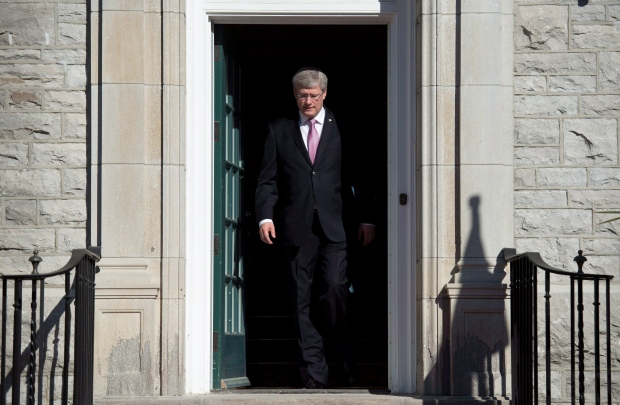
NDP Leader Thomas Mulcair and Liberal Leader Justin Trudeau, meanwhile, face different challenges. Canadians have become familiar with Mulcair during the four years he served as Opposition Leader, but a "question mark" remains on whether the NDP has what it takes to form a federal government, Nanos said. On the other hand, Trudeau faces the opposite situation, where Canadians are familiar with the Liberal Party, but are less familiar with its leader, Nanos added. He noted that the Tories have been successful in past elections, in part because they understand that a candidate's perceived riskiness is often more important than their likability. "The Conservatives know that being prime minister is not a popularity contest… it's pretty clear. They don't even try to be liked because they know it's not important," he said. In terms of winning enough seats to form the government, the Conservatives and the NDP will have to expand beyond their regional bases (out West and in ontario for the Tories, and in Quebec for the New Democrats), while the Liberals will have to identify a region where they can start to build, Nanos said. Each of the parties will be looking to pick up key ridings in British Columbia and in the Greater Toronto Area, where there is still some degree of fluidity, he added. Nanos offers the same piece of advice to all three candidates: Focus the election on your opponents. "In my experience, whoever the election is about usually loses," he said. "The last federal election was about Michael Ignatieff, the previous one before that was about Stephane Dion, and the one before that was about Paul Martin. "Sadly, our state of political discourse is such that making it about the other guy, many times, works." The political correspondent: Fear and a referendum on change This federal election is shaping up to be a referendum on whether a change is needed at the top, says CTV journalist and host of Power Play Don Martin. "I would argue that the overarching theme to motivate voters for the NDP and the Liberals is 'Get rid of Harper,'" he said. "In many ways they're trying to frame this as a referendum on our current Conservative government." 
Watch for the Tories to try to drum up support by scaring Canadians about the potential consequences of the Liberals and NDP, who they'll argue are just waiting to "raise taxes and ruin the economy," Martin said. "There's nothing necessarily in their histories to make that a realistic fear, but (Harper's) going to try and raise those bogeymen," he said, also noting that succeeding in politics often involves attacking your opponents. "It's about trying to stop the other guy from winning; it's not about, necessarily, getting votes for yourself." His advice differs for each of the candidates. For Mulcair: "Make sure you have a rock-solid plan for the economy, that's going to pass all of the tests from economists and journalists, because the fear of the NDP taking over the levers of the economy is going to be the big fear factor that Stephen Harper will be advancing." For Trudeau: "He has to impart a sense of gravitas, and show that he has the right stuff to be a leader, and not just someone who's doing this based solely on a family name and political charisma." For Harper: "He has to put himself up as a hand of experience in a troubled economy, and make sure that the other leaders are deemed unfit for the prime minister's chair, or at least make that case pretty compelling." The communications professional: Likability is key With the parties running in a tight race, and no single ballot issue so far dividing the electorate, the candidates' respective likability will play a large role in who will win on Oct. 19, says Laura Babcock, president of PowerGroup Communications. "What Canadians are looking at is which of the parties has a leader that represents my values and my concerns," she said. "It really becomes about the leadership, so it will become critical for each of these leaders to be accessible." 
She has different advice for the candidates as they play up their respective strengths in the long campaign ahead. Harper, who by this point is a well-known commodity to Canadians, has so far offered a "stay the course" campaign, she said. "There's not a lot of ground for him to make up in terms of likability or in terms of his negatives," Babcock said. He should aim to get through the long campaign, touting the party's strongest policy planks, while also making the case that the current global climate is too uncertain for a leadership change. "That being said, it is not an aspirational message. It's not something that will energize a strong call for change," she said. "He's got the most difficult task in terms of being someone Canadians are drawn to, because he's already known." Mulcair isn't as well known, so there is a potential for the NDP to present him to Canadians as a real alternative, Babcock said, cautioning that this could change as the campaign drags on. "He needs to be extremely careful that he doesn't try to be too much like Harper by being overly controlling in his messaging," she said. Meanwhile, Trudeau has the advantage of entering the race with high likability, but he will have to convince Canadians that he is ready for the job, she said. The Liberal leader has committed to running a positive campaign, but questions remain on whether Trudeau’s personal likability will ultimately raise the status of his party, she said. Key for Trudeau will be staying positive, aspirational, and putting substance in all of his public appearances, Babcock added. "Aspirational platforms can be extremely effective if they succeed in energizing and mobilizing the electorate," she said. "That's where a campaign with big ideas and big excitement can get new voters out. It's extremely difficult, but it can be done."
 Will immigration be an issue in the 2015 federal elections? Unlikely, say academics.Photo credit: Conservative Party campaign flyer. Will immigration be an issue in the 2015 federal elections? Unlikely, say academics.Photo credit: Conservative Party campaign flyer. The campaign leading up to anticipated federal elections in Oct. 2015 is likely to shift gears. The so-called “immigrant vote” is very likely to be in play, and, according to academics who’ve studied this topic for many years, this electoral bloc is going to be even more crucial in 2015. The campaign leading up to anticipated federal elections in Oct. 2015 is likely to shift gears. The so-called “immigrant vote” is very likely to be in play, and, according to academics who’ve studied this topic for many years, this electoral bloc is going to be even more crucial in 2015.
New Canadian Media interviewed Prof. Phil Triadafilopoulos of the University of Toronto, who last year published a chapter titled “Immigration, Citizenship and Canada’s New Conservative Party” (co-authored with Inder Marwah and Steve White), (in Conservatism in Canada, ed. David Rayside and James Farney. Toronto: University of Toronto Press, 2013). We also reproduce relevant abstracts from the chapter to support his responses. 1. What were the main findings from this study? I believe the key point is that the politics of immigration in Canada is the way it is because of the intersection of settlement patterns, our citizenship law, and our electoral system. There is a structurally induced predisposition for relatively pro-immigration policies and rhetoric, shared by parties across the ideological spectrum. We argue that the combination of immigrant settlement patterns, citizenship laws, and Canada’s single member plurality (SMP) electoral system create a context in which appeals to immigrant voters are required of any party with aspirations to national power. [T]he interplay of these structures ensures that immigrants are able to express their interests and have them acknowledged in a politically meaningful way. In sum, immigrants are concentrated in politically important urban regions. To alienate large numbers of immigrant voters in dozens of federal ridings would almost certainly mean surrendering those ridings to other parties. Data from recent Canadian Election Studies consistently show that visible minorities and immigrants tend to be more conservative than non-visible minority and non-immigrant Canadians on a number of contentious social issues.
2. You note that there was a dramatic change of stance on immigration as Reform/Canadian Alliance morphed into the Conservative Party. How do you explain this transformation? Yes, this is one of the arguments we make in the chapter. The party had to compete in ontario and to do so it had to get beyond its predecessors’ reputations as being anti-immigrant. The Conservatives could not simply declare this –[Minister] Jason Kenney had to go out and prove it in what amounted to political hand-to-hand combat (using handshakes as his weapon of choice). 3. Do you think Conservative policy changes serve Canada's national interests in the long term? Unfortunately, some do not. The expansion of the Temporary Foreign Worker (TFW) program will likely lead to trouble in the future (as people overstay and slip into undocumented status). Changes to citizenship policy were heavy-handed and based on political reasoning and weak ideologically-based reasoning. Changes to refugee policy has been unnecessarily punitive (and, again, taken for largely political reasons). There have been many other changes as well – judging their long-term consequences is difficult at the moment. 4. How were these changes different from ones that may have been made by the Liberals or the New Democratic Party, NDP? The Liberals were similarly interested in narrowing access to asylum seekers and reforming the citizenship law – they failed to do so in part because the political incentives in the party were weaker. It’s likely that the NDP would have hewn to the status quo circa 2006. 5. Do you anticipate that immigration and citizenship will be major electoral issues in 2015? No – immigration is typically not featured during elections, though all the parties will look to gain support among new Canadian voters. 6. Given your findings, what does your study suggest on the subject of immigration generally being a non-partisan issue in Canada? It will likely remain the case. There’s no political pay-off for populist anti-immigrant rhetoric at the federal level. Canada is unique among major immigration countries in the degree to which immigration policy is de-politicized, and immigration itself is enthusiastically embraced by federal political parties. Quebec’s provincial politics since 2007 may be a partial exception to this pattern, but this has not had a discernable impact on Quebec voices in federal policy debates over immigration.
7. Do you have any further thoughts on the "immigrant vote" in the 2011 federal elections (you said it was inconclusive at the time of writing)? We have not done the necessary analysis to move beyond what we have. We hope to do so soon. The key point is that all parties in Canada support a relatively liberal immigration policy, as reflected in annual admissions. There is also consensus on the utility of an official multiculturalism policy – our Conservative Party is rather different than similar parties in other countries. [In a separate study presented to the Canadian Political Science Association 2012 conference in Edmonton, Prof. Triadafilopoulos, Zack Taylor and Christopher Cochrane (all of UofT), concluded with this finding: - We focus especially on the Greater Toronto region because (a) 20 of the 23 seats gained in the 2011 election were located there, and (b) 41 per cent of foreign-born Canadians live there. Of the 20 new Conservative seats, eight were majority-immigrant and none had less than 30 per cent immigrant population. Similarly, three of the six seats picked up by the NDP were majority immigrant and none had less than 35 per cent immigrant population.
- Our findings suggest that the Conservative Party enjoyed marked gains among immigrant voters in the 2011 election, and that these gains appear to have come largely at the expense of the Liberal Party. Taken together, this evidence suggests that the party’s ethnic outreach strategy may have indeed borne fruit in 2011. The NDP(New Democratic Party) also appears to have benefited from the support of a different segment of support that overlaps with the immigrant electorate: visible minorities.]

8. Do you think the "immigrant vote" will play a more critical role in 2015? I do. Canada is changing quickly and the trends we identified are still playing themselves out.
This content was developed exclusively for New Canadian Media and can be re-published with appropriate attribution. For syndication rights, please write to publisher@newcanadianmedia.ca |
Poll Tracker: Tories drop to 3rd place, NDP's lead shrinksTories lag behind Liberals, NDP for 1st time in CBC's Election 2015 Poll TrackerBy Éric Grenier, for CBC News Two new polls — published after the EKOS survey discussed below — continue to show weakening numbers for the New Democrats. But they also show the Conservatives in third place. A Léger poll published in the Globe and Mail on Friday put the New Democrats at 31 per cent, followed by the Liberals at 30 per cent and the Conservatives at 28 per cent. It had the NDP down marginally, but recorded larger drops for the party in ontario and British Columbia. Léger's previous poll already had the Conservatives in third, so the order of the parties has not changed in this survey. The same goes for a new Forum Research poll published in the Toronto Star on Saturday. The poll put the NDP in front with 36 per cent, with the Liberals at 32 per cent and the Conservatives at 24 per cent. Here again, the order of the parties did not change, and the Liberals and Conservatives both had an uptick that was within the margin of error, but the New Democrats were down four points from where they stood the week before. As a result of adding these two new polls to the Poll Tracker, the Conservatives are now in third place behind the Liberals and the NDP in both projected support levels and likely seat wins. NDP's front-runner status at risk(The following was written before the release of the two surveys from Léger and Forum.) The comfortable lead the New Democrats were enjoying in the polls is shrinking. Is it a mid-campaign blip, or a new trend that could see the NDP lose its front-runner status? A new poll by EKOS Research published Friday suggests the NDP is losing steam, dropping 3.4 points since its previous poll from the week before. The NDP was still in front in this poll, as it has been in every poll conducted entirely after the Aug. 2 campaign kick-off, with 30.2 per cent support, versus 29.5 per cent for the Conservatives and 27.7 per cent for the Liberals. But the slip was outside of the margin of error, and has been echoed in some other surveys. The next most recent poll published earlier this week, by Abacus Data, had the NDP down four points. The CBC Poll Tracker, which heavily weights the newest EKOS poll (as it has a large sample and is the newest survey in a week that has been relatively quiet on the polling front), has the NDP in front with 31.2 per cent support. The Conservatives follow with 29.4 per cent, the Liberals with 27.7 per cent and the Greens with 6.1 per cent. The Bloc Québécois stands at 16.7 per cent support in Quebec. Though the NDP is still first in the polling average, the margin of 1.8 points between it and the Conservative Party is far smaller than the 9.3-point gap that it had in polls conducted up to Aug. 24. The tightening race has cost the NDP its advantage in the seat projection, as it has now dropped to an average tally of 117 seats to 124 for the Conservatives. But the two parties still overlap a great deal, leaving the outcome, if an election were held today, little better than a coin flip. NDP slipping in ontario and B.C.The softening NDP numbers seem to be largely driven by recent shifts in British Columbia and ontario. With polls in the field to Aug. 24, the NDP had 39 per cent support in B.C. in the Poll Tracker, but has since dropped to 32 per cent. The 12-point lead it had over the Conservatives in the province has dropped to two. In the last five polls published in the province, the NDP has scored only between 31 and 33 per cent. In the five polls prior to those, the NDP was scoring between 38 and 41 per cent support. Numbers from EKOS, Abacus, Nanos Research, and Ipsos Reid have all shown drops for the NDP in B.C. This is problematic for the New Democrats, as the province is, along with Quebec, a key to forming government. The polls in ontario are also souring for the New Democrats, with four consecutive surveys putting the party under the 30 per cent mark. As of Aug. 24, the poll average was giving the NDP 34 per cent in ontario. The party's score is now 28 per cent. Neither the Conservatives nor the Liberals alone have benefited from this slip, which explains why neither party has been able to overtake the New Democrats countrywide. The Conservatives and to a lesser extent the Greens have taken advantage of the NDP's weakening support in B.C., while in ontario the Liberals have been the major beneficiary. It remains to be seen whether this is a temporary and ephemeral shift in voting intentions. More data over a more prolonged period of time is needed to confirm if this is a real trend. But, for Tom Mulcair and the New Democrats, maintaining the lead in a three-way race while every party turned its sights on them was always going to be difficult. If the NDP can withstand the pressure and hold its lead, it could be a good indicator of whether or not the New Democrats have the staying power to prevail in this lengthy campaign.
CBC's Poll Tracker aggregates all publicly released polls, weighing them by sample size, date and the polling firm's accuracy record. Upper and lower ranges are based on how polls have performed in other recent elections. The seat projection model makes individual projections for all ridings in the country, based on regional shifts in support since the 2011 election and taking into account other factors such as incumbency. The projections are subject to the margins of error of the opinion polls included in the model, as well as the unpredictable nature of politics at the riding level. The polls included in the model vary in size, date and method, and have not been individually verified by the CBC. You can read the full methodology here. The questions asked in the polls mentioned in this article were as follows: EKOS: "If the federal election were tomorrow, which party would you vote for?" Forum: "If a federal election were held today, which party are you most likely to vote for?" Léger: "If FEDERAL elections were held today, for which political party would you be most likely to vote?"
4O YEARS OF VIETNAMESE CANADIAN COMMUNITY IN TORONTOBỐN MƯƠI NĂM NHÌN LẠI (1975-2015): CỘNG ĐỒNG NGƯỜI VIỆT VÙNG TORONTO AN CƯ LẠC NGHIỆP.Một buổi tối trời lạnh căm căm (-200C) tại Toronto tôi nhận được bài viết “Kiếp Người” viết vào Tháng Hai, 2015 do tác giả Hồ Sĩ Đình gửi cho tôi.  Tôi biết tác giả là ai: một cựu sinh viên ngành Điện của trường Centennial College, nơi mà tôi đã dạy 32 năm trước khi về hưu. Trong đêm khuya tại căn phòng ấm cúng, người viết nằm dài trên sofa để thong thả mà đọc. Bị bài viết lôi cuốn, tôi đọc một lèo hết luôn vì bối cảnh của bài viết rất là quen thuộc và thân thương với cuộc đời đi dậy của người viết. Còn thân thương hơn nữa: bài viết đã đưa tôi trở về với những năm tháng tôi mà đã làm việc cùng với các cựu sinh viên Việt Nam tại Centennial College cũng như góp phần vào những sinh hoạt giáo dục liên quan đến cộng đồng người Việt và các cộng đồng sắc tộc khác tại vùng Đại Đô Thị Toronto (GTA) nữa. Một chút gì để nhớ, một chút gì để thương và nhất là để mà hãnh diện cho sự trưởng thành lớn mạnh của Cộng Đồng người Việt tại GTA nữa. Tôi biết tác giả là ai: một cựu sinh viên ngành Điện của trường Centennial College, nơi mà tôi đã dạy 32 năm trước khi về hưu. Trong đêm khuya tại căn phòng ấm cúng, người viết nằm dài trên sofa để thong thả mà đọc. Bị bài viết lôi cuốn, tôi đọc một lèo hết luôn vì bối cảnh của bài viết rất là quen thuộc và thân thương với cuộc đời đi dậy của người viết. Còn thân thương hơn nữa: bài viết đã đưa tôi trở về với những năm tháng tôi mà đã làm việc cùng với các cựu sinh viên Việt Nam tại Centennial College cũng như góp phần vào những sinh hoạt giáo dục liên quan đến cộng đồng người Việt và các cộng đồng sắc tộc khác tại vùng Đại Đô Thị Toronto (GTA) nữa. Một chút gì để nhớ, một chút gì để thương và nhất là để mà hãnh diện cho sự trưởng thành lớn mạnh của Cộng Đồng người Việt tại GTA nữa.
Người viết đã trải qua biết bao nhiêu kỷ niệm vui buồn trong những tháng Tư, nhất là tháng Tư năm 1975. Câu chuyện dưới đây xin được bắt đầu vào tháng Tư năm 1975. MỘT Đầu tháng tư 1975, ông Tom Gould (có vợ Việt Nam) báo tin cho cộng đồng Việt Nam vùng Toronto chúng tôi (có chừng 50 người mà thôi) nên tổ chức một cuộc họp báo để yêu cầu chính phủ Canada cho phép chúng tôi bảo lãnh thân nhân của chúng tôi (cha me, anh chị em và gia đình) từ Việt Nam sang Canada trước khi CSVN tiến quân vào đến Saigon. Ông đã mau mắn giúp chúng tôi trong vụ bảo lãnh này vì lúc đó ông đang làm việc cho đài truyền hình CTV dưới chức vụ Vice President, News. Thủ Tướng Pierre Trudeau đã chấp thuận rất nhanh chóng và các “thành viên của cộng đồng lèo tèo” đã được ông Bộ Trưởng Bộ Di Trú Robert Andras mời đến văn phòng Bộ Di Trú làm thủ tục bảo lãnh ngay sau đó. Trong khi chờ đợi tin tức gia đình tại Việt Nam, thành phố Toronto của chúng tôi tự nhiên xuất hiên 57 trẻ em mồ côi Việt Nam đến Toronto bằng máy bay! Cháu lớn nhất khoảng 3 tuổi đời trần gian. Nhân viên nhà thương phải nhờ “cộng đồng lèo tèo” giúp họ về cách nấu ăn đồ Việt Nam cho các cháu và nhất là đến nói chuyện với các cháu bằng tiếng Việt vì chúng đâu đã biết tiếng Anh. Sau ngày 30/04/75, chúng tôi hoàn toàn mất liên lạc với gia đình ở Việt Nam. Tuy nhiên cộng đồng lèo tèo cũng có cái “may mắn”: một vài người đã nhận được những “cú phôn collect” từ Phi Luật Tân hay “camp Pendleton” báo tin cho biết người nhà đã thoát ra khỏi được Việt Nam. Chúng tôi bắt đầu phải làm việc thực sự: làm sao đón được gia đình từ trại Pendleton, Ankansas… sang Canada, để rồi bận rộn ra phi trường đón thân nhân và kiếm nhà, kiếm việc làm cho người mới tới. Cộng đồng chúng tôi đã còn ra phi trường đón nhận đồng bào mới đến mà không có thân quyến ở nơi xứ lạ quê người này nữa. Thế là cộng đồng lèo tèo Toronto nay đã có thêm nhân lực từ những đồng bào mới tới. Để quên đi những nỗi buồn xa xứ, cộng đồng người Việt lưu vong tại Toronto còn tổ chức ăn mừng Tết ta năm 1976 trong vòng có 5 tuần lễ để sửa soạn, giống như “thầy bói dọn cưới” vậy. Xin quý vị vào đọc bài của KS NP Phúc trong link dưới đây: https://damtrungphan.wordpress.com/2015/04/08/40-nam-nhin-lai-cong-dong-nguoi-viet-toronto-lon-manh/ Có thể nói trong đợt di tản này (1975-1980), cộng đồng đón nhận khá nhiều người đã có ngành nghề tại Việt Nam như: Bác sĩ, Dược sĩ, Giáo sư… và con cái của họ vẫn còn đang ở tuổi đi học. Hầu hết lúc đó các chính phủ tỉnh bang của Canada chưa có chương trình nào để giúp đỡ người Việt tị nạn tại Canada. Đời sống của người tị nạn khá chật vật vì chưa có gì được ổn định trong bước đầu của cuộc sống lưu vong. Người viết bài này, do sự giới thiệu của văn phòng đón tiếp người tị nạn tại 8 York Street, Toronto, đã thường có dịp nói chuyện trên điện thoại với những người mới tới. Câu hỏi thường xuyên: làm sao trở lại ngành nghề, đi học Anh Văn ở đâu, làm sao đi học lại và học ngành gì để mau ra trường, kiếm việc làm để nuôi gia đình…. HAI Năm 1977, lần đầu tiên tôi gặp một sinh viên Việt Nam duy nhất tại Centennial College khi em đến thăm tôi tại văn phòng. Em qua đây một mình, vừa đi làm vừa đi học ngành Cơ khí. Năm 1980, sau khi biến cố “Thuyền Nhân” bắt đầu, hàng ngày tôi nhận khá nhiều cú phôn của đồng bào “Thuyền Nhân”: làm sao đi học lại tại các trường Cao Đẳng (Colleges) hay Đại Học (Universities), có chương trình huấn nghệ nào không, làm sao kiếm ngay được công việc chuyên môn …  Nhân viên phòng Thu Nhận Sinh Viên (Admissions Office) của Centennial College cho tôi biết một tin vui: tất cả các Community Colleges của tỉnh bang ontario sẵn sàng thâu nhận “mature students” (có nghĩa là cho những ai đã trên 21 tuổi mà không có bằng trung học của tỉnh bang ontario) với điều kiện người đó phải thi đậu môn Toán và Anh văn của trường. Mẩu tin này làm tôi thích thú và tôi bắt đầu đi tìm phương tiện để giúp đồng bào thuyền nhân đi học lại tại Colleges. Nhân viên phòng Thu Nhận Sinh Viên (Admissions Office) của Centennial College cho tôi biết một tin vui: tất cả các Community Colleges của tỉnh bang ontario sẵn sàng thâu nhận “mature students” (có nghĩa là cho những ai đã trên 21 tuổi mà không có bằng trung học của tỉnh bang ontario) với điều kiện người đó phải thi đậu môn Toán và Anh văn của trường. Mẩu tin này làm tôi thích thú và tôi bắt đầu đi tìm phương tiện để giúp đồng bào thuyền nhân đi học lại tại Colleges.
Là một Giáo sư của trường Công chánh (Department of Civil Engineering Technology), chuyên dậy những môn về Công chánh khô khan, phải làm thực tập trong các phòng thí nghiệm và nói nhiều hơn là làm toán. Tôi cũng còn phải dậy một vài môn “common subjects” nữa (môn học chung cho các ngành khác nhau như Cơ Khí, Điện, Kiến Trúc…) Năm 1982, nhân dịp trường Toán đang cần một Giáo sư dậy Toán 4 tiếng một tuần trong phân khoa Kỹ Thuật, tôi xung phong ngay lập tức để được “cross appointed” (“nhẩy rào” để dậy môn Toán năm Thứ Nhất, trong khi đó vẫn còn dậy 3 môn Công chánh khác). Đây là cơ hội để tôi tìm hiểu xem sinh viên học những gì trong môn Toán MM101 của năm thứ nhất tại College. Kết quả tốt đẹp không thể ngờ được: không những tôi đã làm quen được với 2 môn Toán MM101 và MM102 cho năm thứ Nhất và năm thứ Hai của phân khoa Kỹ Thuật mà tôi còn làm quen được hết tất cả các Giáo Sư trường Toán nữa. Nhờ vậy mà tôi đã xin được rất nhiều các sách giáo khoa về Toán (Math text books) mà các đồng sự trường Toán không dùng đến nữa. Mỗi lần có ai nói chuyện với tôi qua điện thoại, tôi hứa sẽ biếu cho họ một cuốn sách Toán để họ tự học lại vừa để biết thêm phần Anh ngữ trong môn Toán, vừa để ôn lại những gì mà họ đã từng học ở Việt Nam. Năm 1983, con trai đầu lòng của chúng tôi bị xe tông, lúc đó cu cậu mới 11 tuổi. Một tay, một chân bị bó bột và phải ở lại trong nhà thương ba tháng trời. Trưa nào rảnh, tôi đều mang sách Toán vào trong nhà thương khi đi thăm con. Nếu anh chàng chơi “game”, ông bố ngồi coi sách Toán để sửa soạn phần “lecture notes” cho môn Toán MM102. Tôi đâm ra “mê dậy Toán” hơn mấy môn Công Chánh khô khan vừa phải nói mỏi miệng, vừa phải nhọc công soạn bài tốn nhiều thì giờ! Một cái “bí kíp” thú vị “chăm phần chăm”: các đồng sự “đàn anh” (my senior colleagues) trong ngành Công chánh thường hay “xí” hết các môn “dễ nhằn” nên chàng “Giáo Út” nhà ta phải “chạy sang làng Toán” để mà “kiếm chỗ dung thân, rung đùi”. Tôi không hề cho các “tiền bối” biết niềm vui mới có của “Giáo Út” nhà ta: bớt phải soạn bài các môn “descriptive Civil subjects” đến mờ cả mắt, không phải nói sùi bọt mép như trong lớp học của làng Công chánh mà lại còn ít phải chấm bài nữa! Sướng nhất là không phải viết các đề thi vì “Giáo Út” nhà ta chỉ là một “giáo sư khách” (cross appointed professor) của “làng Toán” mà thôi! Ui chao là hạnh phúc trong “thiên đàng làng Toán”! “Có những niềm vui, mồm không dám nói” vì sợ bị các bậc đàn anh “xí phần”, bây giờ mới dám “hé môi”… cười hi hi một mình trong đêm khuya!! Không những tôi đã có được “chỗ dung thân an nhàn” mà còn thích thú vì biết thêm được hai môn Toán trong ngành Kỹ Thuật để sẵn sàng chỉ dẫn cho những “mature students” gốc Việt và các sắc dân khác trong trường nữa. BA Một hôm trời đang đổ tuyêt vào tháng Giêng năm 1985, một anh sinh viên lớn tuổi tên là NV đến văn phòng tôi nhờ tôi “booked” dùm phòng ăn của Giáo sư và Nhân viên nhà trường vào tuần sau đó để các anh-chị-em sinh viên Việt Nam tại Centennial College “ăn Tết” với nhau. Anh NV thực sự là một “mature student”: anh cỡ tuổi tôi, đã là một sĩ quan trong quân lực VNCH, đã từng đi cải tạo rồi vượt biên và vào College theo dạng “mature students”. Tôi báo tin cho anh NV biết là tôi muốn mời bà Margareth K., Khoa Trưởng của phân khoa Kỹ Thuật (Dean, School of Engineering Technology) của chúng tôi tới chung vui với anh chị em sinh viên Việt Nam. Điều này sẽ rất có lợi cho các anh chị em nếu họ gặp trở ngại với các giáo sư hay nhân viên nhà trường . Bà Margareth K. hoan hỉ nhận lời mời vì bà là người Canada gốc Hung Gia Lợi và cảm thấy gần gũi với người Việt Nam tị nạn Cộng sản. Năm 1956, trong lúc dân Hung Gia Lợi vùng lên chống lại Cộng Sản tại Budapest, bà cùng gia đình đã may mắn trốn thoát khỏi chế độ độc tài, khát máu của chính quyền Cộng Sản Hung Gia Lợi. Rồi bà và gia đình đã may mắn chọn Canada làm quê hương thứ hai của họ. Bà tốt nghiệp ngành Kỹ sư Công Chánh tại Đại Học Toronto rồi sau khi ra trường đã hành nghề Kỹ sư chuyên nghiệp (Professional Engineer) trước khi trở thành Giáo sư trong “Civil Engineeing Technology Department” cùng với người viết. Bà đã học ngành Kiến trúc được hai năm trước khi đổi sang ngành Công chánh tại Đại học Toronto. Vì lẽ đó, bà đã xin đã đổi sang “Architectural Technology Department” để dậy môn “Structures” (môn Công chánh) trước khi bà trở thành Khoa Trưởng của Phân khoa Kỹ Thuật. Bà lớn hơn tôi vài tuổi, ngoài công việc nhà trường bà và tôi thường hay nói chuyện với nhau về cuộc đời của người di dân, người tị nạn CS với nhau. Bà rất hoan hỉ khi gặp các anh chị em sinh viên Việt Nam trong phân khoa kỹ thuật của chúng tôi (gồm có các ngành như: Điện, Cơ khí, Hóa học, Sinh vật Học, Công chánh, Robotics). Đây cũng là một cái “duyên” đưa đẩy chúng tôi mở rộng tầm hoạt động thu nhận sinh viên Việt Nam đã lớn tuổi vào phân khoa Kỹ Thuật và các phân khoa khác trong Centennial College của chúng tôi. Vài ngày sau đó, Khoa Trưởng Margareth K. và tôi gặp nhau; chúng tôi bàn thảo kế hoạch thu nhận thêm sinh viên Việt Nam: bà Margareth K. sẽ làm tất cả những thủ tục hành chính để nhà trường cho đăng quảng cáo thu nhận sinh viên Việt Nam trên báo chí Việt Nam sở tại. Phòng Thu Nhận Sinh Viên (Admissions Office) sẽ viết quảng cáo bằng tiếng Anh và Phan Dam sẽ dịch sang tiếng Việt các tài liệu này. Phan Dam có nhiệm vụ trả lời điện thoại bằng tiếng việt cho đồng bào Việt Nam tị nạn muốn đi học lại. Đây là một công việc thiện nguyện của tôi, vừa có lợi cho nhà trường, vừa có lợi cho cộng đồng Việt Nam nữa. Đồng thời Phan Dam cũng là người “cố vấn” cho Phòng Thu Nhận Sinh Viên trong vụ duyệt xét kết quả thi của hai môn Toán và Anh Văn trong trường hợp khó xử. Vài tháng sau đó, College đã tạo điều kiện cho chúng tôi có cơ hội để tổ chức những lần nói chuyện với những người di dân mới đến của cộng đồng Việt Nam cũng như của nhiều cộng đồng sắc tộc khác tại nhiều địa điểm khác nhau trong những ngày cuối tuần. Giờ đây, khi viết những giòng chữ này, tôi cảm-nhận-thấy đây là một cái “duyên lành”, rất đẹp, rất nhẹ nhàng và đầy ý nghĩa, bắt đầu từ năm 1985 cho tới cuối thập niên 1990. Trong dịp tổ chức “ăn Tết tại nhà trường” đầu tiên này, tôi đã có cơ duyên gặp tác giả Hồ Sĩ Đình và một số các anh chị em khác. Có thể nói tất cả các anh chị em sinh viên đều là “boat people mature students” hết. Họ đã đến Canada với hai bàn tay trắng trong những con thuyền mong manh trên biển cả đầy trắc trở. Đi học lại với vốn liếng tiếng Anh quá “khiêm nhượng” nhưng với một ý chí rất rõ ràng: có công mài sắt, có ngày nên kim. Sau bữa “ăn Tết” thân mật đó, một số anh chị em đã mời tôi giảng giải cho họ một số bài Toán mà họ chưa thực sự hiểu (vì chưa hiểu rõ tiếng Anh mà thôi!) Tôi rất vui mừng và “ừ” liền. Lý do dễ hiểu: tôi đã dậy hai môn Toán MM101 & MM102 cho sinh viên trong phân khoa Kỹ Thuật được 2, 3 năm rồi và cảm thấy “ngứa tay” mỗi khi được bất cứ sinh viên nào “chiếu cố”. Thế là thầy trò Việt Nam “book” ngay một lớp học và kỳ này ông thầy Việt Nam được dậy bằng tiếng Việt môn Toán cho sinh viên Việt Nam “chăm phần chăm” ngay trong một lớp học của một trường cao đẳng tại Canada. Tôi có cảm giác như mình còn đang “học tổ” tại Việt Nam trong những năm Trung học vậy. BỐN Năm 1988 đã là cái mốc của thời gian dẫn đường đưa tôi đến khúc quanh của cuộc đời: thân phụ của tôi qua đời và lúc đó ở trong trường, các anh chị em sinh viên Việt Nam mà tôi quen biết đã ra trường hết. Những người tới sau chưa “xuất đầu lộ diện” và công việc nhà trường và cộng đồng của tôi quá nhiều. Có thể nói trong cuộc đời, chưa bao giờ tôi thấy hụt hẫng như lúc đó và tôi đã mô tả tâm trạng này trong hai câu thơ dưới đây: “Những đêm đi họp trên đường vắng
Chợt thấy đời mình tuyết lạnh băng!” Khúc quanh cuộc đời đã thực sự chuyển hướng đời tôi: năm 1989 tôi trở thành Giáo Sư Trưởng Phòng (Co-ordinator & Professor). Có nghĩa là tôi phải vừa dậy học vừa trông nom các dịch vụ hành chính cho “department” như: thâu nhận sinh viên; thay đổi chương trình học cho đỡ phí tổn; lo ngân sách cho “department”; đi họp liên miên trong “department”, trong Phân khoa, ngoài Phân khoa; nghe sinh viên than phiền về các giáo sư dậy dở; tuyển mộ các giáo sư dậy bán thời gian toàn thời gian trong và ngoài “department” (selection of part-time and full-time faculty)… Nhà trường bắt buộc tôi phải đại diện cho phân khoa Kỹ Thuật đi dự các buổi họp với “English Department” để duyệt xét lại phần nội dung của hai môn “English as a second Language” (ESL1, ESL2 ), lý do chính là vì tôi đã là một giáo sư “khuôn mẫu” từ trong “lò” ESL mà ra! Nhờ vậy mà tôi đã có cơ hội để thực sự quen biết thêm hầu hết các giáo sư đồng sự của chúng tôi trong “English Department”. Tôi cũng đã thường gặp và trò truyện qua loa với họ trong những lúc đi uống cà phê với nhau. Công bằng mà nói, hầu hết các ông, các bà giáo sư này đều dễ thương, hiền lành và công bằng hết chỗ nói. Họ làm tôi liên tưởng đến những người bạn sinh viên người Úc của chúng tôi trong thời gian còn đang đi học tại Úc Đại Lợi. Phần lớn họ đều quan tâm và có cảm tình với các sinh viên tị nạn Việt Nam. Nhiều người còn nói: ” Sinh viên Việt Nam thật là chịu khó, đi học đã khó rồi, thế mà họ còn lại phải lo việc sinh sống nữa. Điều ngạc nhiên: nhiều sinh viên gốc Việt Nam còn còn lĩnh giải thưởng của College nữa. Bravo!” Tôi nghe đồng sự nói mà thấy vui lây. Tôi còn nhớ, một hôm đang đi trong hành lang, bỗng nghe một người nói tiếng Việt giọng lơ lớ từ phía đằng sau tôi: “Ông mặn(h) giỏi?” Tôi quay lại, hóa ra đó là một người da trắng có râu quai nón đang nhoẻn miệng cười với tôi. Tôi hỏi ngay:” John F., làm sao mà ông nói được tiếng Việt?” Ông trả lời bằng tiếng Anh: “Tôi là một đại úy trong Quân Lực Hoa Kỳ khi tôi ở Việt Nam. Mãn nhiệm xong, tôi về Mỹ và đi học tiếp cho xong bằng Ph.D. về văn chương Anh ngữ.” Chúng tôi cười vang với nhau rồi chia tay. NĂM Sau nhiều năm đi dậy, tôi vẫn chưa biết tại sao lại có rất nhiều sinh viên Cao đẳng cũng như sinh viên Đại học quá dở về hai môn Toán và Anh văn (hai môn chính của học trò) đến như vậy?  Năm 1989, nhân dịp Cộng Đồng Việt Nam vùng Đại Đô Thị Toronto (Great Toronto Area) đang cần một Phó Hội Trưởng Ngoại Vụ cho Hội Phụ Huynh Việt Nam tại Toronto (HPHHSVN). “Bị chiếu cố”, tôi xung phong gia nhập Hội Phụ Huynh vừa để tranh đấu quyền lợi cho các học sinh và phụ huynh học sinh Việt Nam, vừa để tìm hiểu hệ thống giáo dục cấp tiểu học cũng như cấp trung học của tỉnh bang ontario luôn. Tôi lại phải “đèo thêm” một số trách nhiệm mới và ban đêm thường hay phải đi họp với “Ty Học Chính Thành Phố Toronto” (Toronto Board of Education). Tuy mệt thật nhưng mà vui vì tôi đã có cơ hội để “lẩn trốn thời gian, tránh rỗng không” để mà quên đi cái “niềm riêng” của chính mình! Năm 1989, nhân dịp Cộng Đồng Việt Nam vùng Đại Đô Thị Toronto (Great Toronto Area) đang cần một Phó Hội Trưởng Ngoại Vụ cho Hội Phụ Huynh Việt Nam tại Toronto (HPHHSVN). “Bị chiếu cố”, tôi xung phong gia nhập Hội Phụ Huynh vừa để tranh đấu quyền lợi cho các học sinh và phụ huynh học sinh Việt Nam, vừa để tìm hiểu hệ thống giáo dục cấp tiểu học cũng như cấp trung học của tỉnh bang ontario luôn. Tôi lại phải “đèo thêm” một số trách nhiệm mới và ban đêm thường hay phải đi họp với “Ty Học Chính Thành Phố Toronto” (Toronto Board of Education). Tuy mệt thật nhưng mà vui vì tôi đã có cơ hội để “lẩn trốn thời gian, tránh rỗng không” để mà quên đi cái “niềm riêng” của chính mình!
Cái “nghiệp” nó vẫn còn chưa “tha” cho tôi: cuối năm 1989, vì lý do nghề nghiệp, ba Giáo Sư Trưởng Phòng của Công chánh, Hóa học và Sinh vật học đã ngồi xuống làm việc với nhau và viết “proposal” để tạo dựng một bộ môn mới: Ngành Bảo Vệ Môi Sinh (Environmental Protection Technology). Đây là một trọng trách của bộ ba chúng tôi, không những cho ba “departments” mà còn là “sinh mạng” của phân khoa Kỹ Thuật nữa. Ngành này đang “hot” và Centennial College đang kỳ vọng thu nhận thêm sinh viên: có thêm nhiều sinh viên mới có thêm tiền cho ngân sách của Phân Khoa Kỹ Thuật để mà bảo đảm sự sống còn của Phân khoa. May mắn thay, bộ ba chúng tôi đã viết xong văn kiện này, và đã được Ủy Ban Giảng Huấn (Academic Council, gồm có các Giáo sư trưởng phòng của Phân khoa Kỹ thuật, Phân khoa các môn học nhiệm ý, khoa Anh văn, khoa Toán, đại diện sinh viên Phân khoa Kỹ thuật và đại diện sinh viên toàn trường) của Centennial College chấp thuận sau nhiều buổi họp thẩm vấn có khi vui vẻ, có khi gắt gao… Giữa năm 1990 phái đoàn chúng tôi gồm có Ông Phụ Tá Khoa Trưởng (Chair) và ba Giáo Sư Trưởng Phòng chúng tôi lên Bộ Cao Đẳng và Đại Học (Ministry of Colleges and Universities of Toronto) trình bầy về Chương trình, các môn học và nhất là tiềm năng về kiếm việc làm cho sinh viên sau khi họ đã ra trường. Thế rồi “đời mình cũng qua” và năm 1991 Phân khoa Kỹ thuật chúng tôi bắt đầu thâu nhận sinh viên vào ngành này. Một niềm hãnh diện cho chúng tôi: không những College đã thu nhận học trò vừa mới học xong Trung học, mà chúng tôi còn được khá nhiều các sinh viên Đại học đã ra trường đến xin nhập học trong những năm về sau nữa. Xin mở một cái ngoặc kép: dĩ nhiên là chúng tôi cũng có thêm sinh viên gốc Việt trong ngành này nữa! Và cũng là một cái may mắn không ngờ cho người viết này: tôi đã là giáo sư duy nhất còn được giữ lại để dậy những môn gốc Công chánh trong “Environmental Protection Technology Department” sau khi ngành Công chánh bị đóng cửa vì “Ministry of Colleges and Universities” đã cải tổ toàn diện về “funding” (ngân sách) cho 22 colleges trong toàn cõi tỉnh bang ontario. SÁU Sau năm 1990, số sinh viên Việt Nam vào học trường tôi càng ngày đông thêm. Nhờ có sự sốt sắng của anh chị em sinh viên, nhất là anh Đinh văn Cận, chúng tôi đã thành lập “Hội Ái Hữu Sinh Viên Việt Nam tại Centennial College”. Anh Đinh văn Cận là Hội Trưởng và Đàm Trung Phán là Giáo Sư Hướng Dẫn. Rút tỉa từ những kinh nghiệm trong nhiều năm trước, những ai đã ra trường rồi sẽ vẫn còn ở lại trong Hội Sinh Viên để giúp cho các anh chị em sinh viên mới tới với mục đích giữ phần liên tục cho các sinh hoạt của Hội Sinh Viên. Hội viên (gồm có các sinh viên mới và các cựu sinh viên) mỗi ngày một đông hơn. Một số các anh chị em đã ra trường và đang đi làm còn chỉ dẫn cách tìm việc cho các khóa đàn em nữa . Năm 1990, tôi bắt đầu tham gia và tổ chức “Ngày Truyền Thống Học Đường” của Hội Phụ Huynh Học Sinh Việt Nam tại Toronto (HPHHSVN). Chúng tôi đã được Ty Học Chính Toronto đài thọ cho tất cả các chi phí và cho mượn trường ốc để vinh danh các học sinh Việt Nam xuất sắc về học lực và các sinh hoạt ngoại khóa. Đây cũng là cơ hội để HPHHSVN liên lạc được với rất nhiều phụ huynh học sinh. Chúng tôi cần rất nhiều nhân lực và may thay, chúng tôi đã được Hội Ái Hữu Sinh Viên Việt Nam tại Centennial College bắt đầu yểm trợ về nhân lực cũng như tinh thần trong việc tổ chức hàng năm ngày Truyền Thống Học Đường.  Cuối thập niên năm 1980, thành phố Toronto đã có rất nhiều đồng bào thuyền nhân đến sinh sống. Hội Người Việt Toronto cũng như các hội đoàn Việt Nam khác đã hăng say tích cực giúp đỡ những người mới tới trong việc định cư. Trong lúc đó số tội phạm người Á Châu da vàng cũng gia tăng. Có một mối bất lợi cho cộng đồng Việt Nam sở tại: cứ mỗi lần có vụ nổ súng nào trên phố Tầu hay ở khu nào có đông người Á Châu da vàng, báo chí và cảnh sát thường chỉ tay năm ngón vào cộng đồng người Việt chúng ta tại Toronto. Cuối thập niên năm 1980, thành phố Toronto đã có rất nhiều đồng bào thuyền nhân đến sinh sống. Hội Người Việt Toronto cũng như các hội đoàn Việt Nam khác đã hăng say tích cực giúp đỡ những người mới tới trong việc định cư. Trong lúc đó số tội phạm người Á Châu da vàng cũng gia tăng. Có một mối bất lợi cho cộng đồng Việt Nam sở tại: cứ mỗi lần có vụ nổ súng nào trên phố Tầu hay ở khu nào có đông người Á Châu da vàng, báo chí và cảnh sát thường chỉ tay năm ngón vào cộng đồng người Việt chúng ta tại Toronto.
Nhiều thuyền nhân mới tới đã rất muốn được trở lại ngành nghề cũ của họ ở Việt Nam tại miền đất hứa này.  Để phục vụ cộng đồng một cách hữu hiệu trên hai phương diện kể trên, một số các anh chị em chuyên gia Việt Nam đang đi làm tại vùng Đại Đô Thị Toronto đã thành lập Hiệp Hội Chuyên Gia Việt Nam (HHCGVN) vùng Nam ontario vào năm 1991. Mục đích chính là để hướng dẫn các em học sinh, sinh viên Việt Nam, những người mới tới muốn đi học lại hay tìm công việc có tính các chuyên môn. Và còn có một một mục đích khác cũng rất quan trọng: đối đầu với chính quyền đia phương trong những hành động kỳ thị chủng tộc đối với cộng đồng Việt Nam sở tại. Để phục vụ cộng đồng một cách hữu hiệu trên hai phương diện kể trên, một số các anh chị em chuyên gia Việt Nam đang đi làm tại vùng Đại Đô Thị Toronto đã thành lập Hiệp Hội Chuyên Gia Việt Nam (HHCGVN) vùng Nam ontario vào năm 1991. Mục đích chính là để hướng dẫn các em học sinh, sinh viên Việt Nam, những người mới tới muốn đi học lại hay tìm công việc có tính các chuyên môn. Và còn có một một mục đích khác cũng rất quan trọng: đối đầu với chính quyền đia phương trong những hành động kỳ thị chủng tộc đối với cộng đồng Việt Nam sở tại.
Năm 1992, khởi xướng từ Hội Phụ Huynh và với sự hợp tác chặt chẽ của HHCGVN và HNV, Quỹ Học Bổng Cộng Đồng (QHBCD) đã được thành lập. Mục đích chính của QHBCD là để vinh danh và khuyến khích các sinh viên Canada gốc Việt đang đi học Đại Học năm thứ nhất. Tuy số tiền phát thưởng cho mỗi sinh viên chẳng được là bao, nhưng nhờ có QHBCD, các em sinh viên cảm thấy hứng thú và hăng say trong việc học hơn. Bước sang thập niên 1990, Cộng Đồng Người Việt vùng Đại Đô Thị Toronto bắt đầu khởi sắc rất nhiều so với những năm trước đó. Bác Sĩ, Dược Sĩ, Kỹ Sư, Luật Sư, Giáo Sư… gốc Việt, các cửa hiệu, nhà hàng, các hội đoàn người Việt tự do… đã có tên trong những tờ báo tiếng Việt tại vùng Đại Đô Thị Toronto , Người viết nhớ lại: trước năm 1975 cộng đồng lèo tèo chúng tôi tại Toronto không có một hiệu phở hay nhà hàng Việt Nam nào. Chúng tôi rất muốn nấu phở thuần túy theo kiểu Việt Nam nhưng gặp trở ngại chính là không có bánh phở nên phải dùng “spaghetti” của người Ý. Phở “lai Ý” chẳng giống phở VN gì hết! Mãi tới đầu thập niên 1980 thành phố Toronto mới bắt đầu có được 1, 2 hiệu phở mà thôi. Giữa thập niên 1980, người viết thấy “đỡ nhớ nhà” mỗi khi đi ăn ngoài tại khá nhiều nhà hàng Việt Nam ngay tại Toronto! BẨY Bước sang thập niên 1990, tuy Cộng Đồng Việt Nam đã bắt đầu ổn định nhưng phần lớn bạn bè và cá nhân chúng tôi đều thấy bận rộn hơn những năm trước nhiều: Cộng Đồng Việt Nam đang vươn mình, lớn mạnh. Tuy chúng tôi bận rộn nhưng phần lớn đều cảm thấy vui vẻ, nhất là được cảm thấy mình không còn đơn lẻ trong đời sống lưu vong nữa. Những bạn bè của người viết trong HPH, HHCGVN, HNV, HAHSVVN Centennial College, Hội Phụ Nữ, Nhóm Thân Hữu Gia Long… đã cùng nhau tích cực tham gia trong những sinh hoạt về giáo dục, nghề nghiệp và sinh hoạt cộng đồng khác. Rất nhiều các anh chị em thuyền nhân sau khi đi học lại, họ đã ra trường và đã tìm được những công việc trong văn phòng hợp với khả năng học vấn của họ. Đồng thời, thế hệ thứ hai của những ai đã đến Canada trong đợt di tản đầu và kế tiếp cũng đã ra trường và bắt đầu đi làm. Tựu chung, đời sống của người Việt di tản và thuyền nhân không còn phải chật vật như ngày xưa nữa.  Năm 2002, người viết quyết định về hưu non ở tuổi 60 và đã cảm thấy rất vui mừng gặp lại tác giả Hồ Sĩ Đình cũng như khoảng 70 cựu sinh viên Việt Nam khác của Centennial College trong bữa tiệc “Tiễn thầy về hưu”. Năm 2002, người viết quyết định về hưu non ở tuổi 60 và đã cảm thấy rất vui mừng gặp lại tác giả Hồ Sĩ Đình cũng như khoảng 70 cựu sinh viên Việt Nam khác của Centennial College trong bữa tiệc “Tiễn thầy về hưu”.
Chúng tôi vẫn còn giữ liên lạc với nhau và mỗi năm chúng tôi thường gặp nhau hai lần: mùa hè picnic, mùa đông “ăn Tết” vào cuối tháng Hai. Câu chuyện về Cộng Đồng 40 năm nhìn lại còn rất nhiều điều muốn kể nhưng mắt đã mờ, tay đã mỏi. Xin hẹn có dịp nào thuận tiện, người viết sẽ kể tiếp. Quê hương Việt Nam cội nguồn vẫn còn đang sống với chúng ta trong tâm tưởng ở bất cứ nơi nào trên thế giới. Chúng ta đã, đang và sẽ gieo cái hạt giống tươi tốt của cội nguồn Việt Nam ở hải ngoại. Hy vọng rằng con cháu của chúng ta sẽ mãi luôn thành công khi đi học cũng như khi đi làm. Cũng hy vọng rằng những thế hệ mai sau này sẽ vẫn còn giữ được nền tảng đạo đức vững chắc và đặc biệt các thế hệ này sẽ không bao giờ quên cội nguồn Việt Nam của chúng ta. Mong lắm thay!! Xin đính kèm 2 tấm hình về “Ngày Quốc Hận, 30 Tháng Tư – Journey to Freedom” tại hai thành phố Toronto và Mississauga đã tổ chức vào ngày 25 và 26 tháng Tư, 2015 

Đàm Trung Phán Misissauga, Canada |
|


 Các chuyên mục


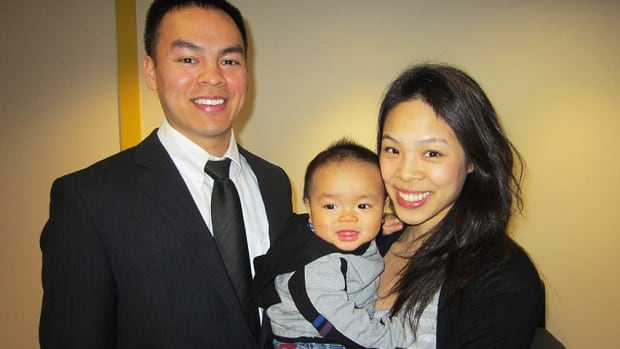


 This is Joe Ruelle, a Canadian who has been living in Vietnam for more than 10 years. (I say more than 10 because I really don’t know when he came to Vietnam, it was a really long time ago).
 Joe and his second book
 Joe talking to some of his new friends at a park


